
Best Marine Batteries for 2026: Top Picks for Starting, Trolling Motors & Electronics
Choosing the right marine battery is important for reliable starting power, trolling motor performance, and keeping your boat electronics running on the water. In this guide, we compare some of the best marine batteries for 2026, including starting, deep-cycle, AGM, and lithium options, to help you choose the right battery for your boat and how you use it.
Affiliate Disclosure: Boat Gear Pilot may earn a commission from qualifying purchases made through links on this page, at no additional cost to you.
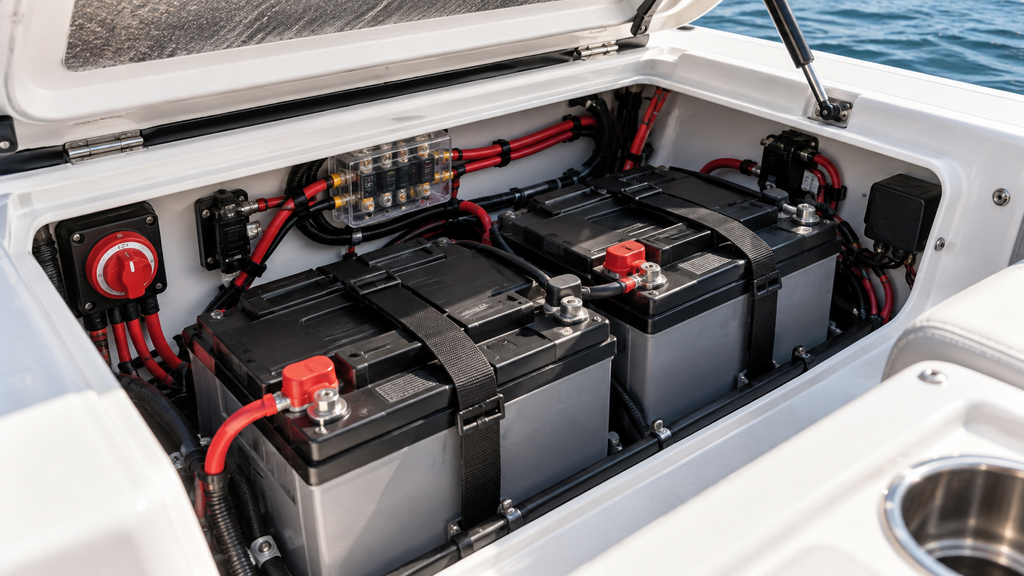
Quick Picks: Best Marine Batteries for 2026
Best Overall Lithium Marine Battery: Dakota Lithium DL+ 12V 135Ah
Best for Trolling Motors: Dakota Lithium 12V 100Ah
Best for Boat Electronics & House Power: Battle Born 12V 100Ah LiFePO4
Best Traditional AGM Option: Odyssey Marine AGM
1. Dakota Lithium DL+ 12V 135Ah — Best Overall
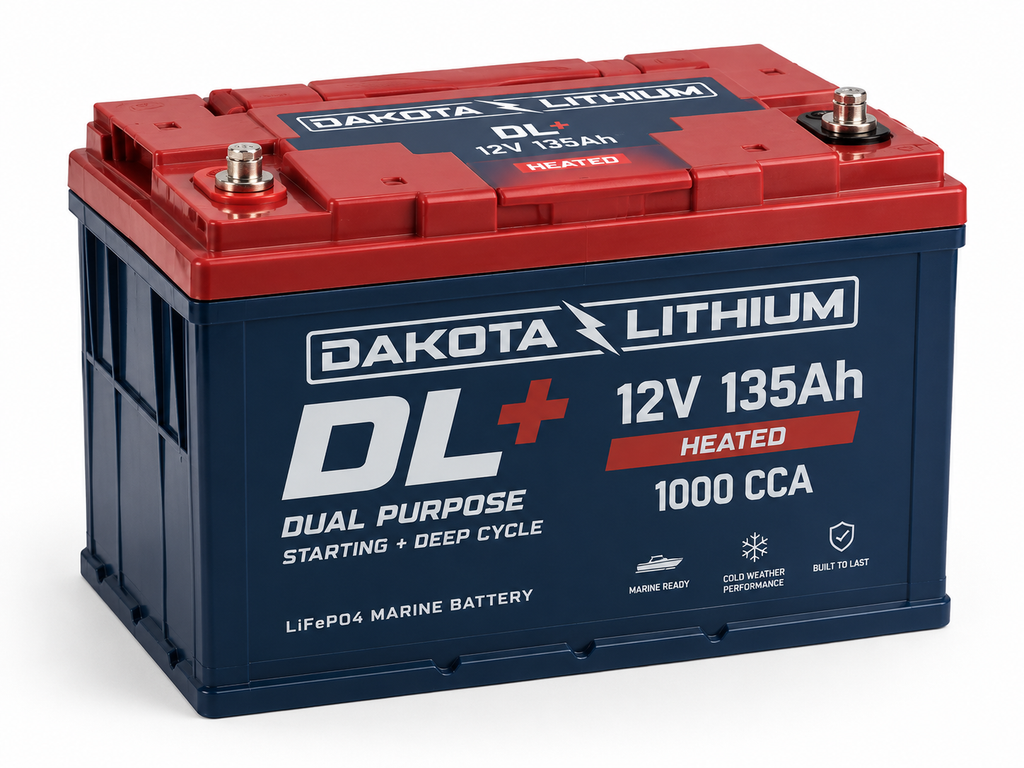
The Dakota Lithium DL+ 12V 135Ah is a versatile lithium marine battery designed to provide both high starting power and deep-cycle capability. That makes it a strong option for boaters who want one battery platform capable of supporting engine starting, marine electronics, pumps, and other onboard equipment while offering the weight and lifespan advantages of LiFePO4 technology.
Why We Like It
It combines starting power and deep-cycle capacity in a single battery, which can simplify a boat’s electrical setup. Its 135Ah capacity provides substantial reserve power for electronics and accessories, while LiFePO4 construction keeps weight lower than many comparable lead-acid batteries.
Key Features
- 135Ah LiFePO4 battery capacity
- Designed for both engine starting and deep-cycle use
- High power output for marine applications
- Lower weight than comparable lead-acid batteries
- Built-in battery management system (BMS)
- Designed for long service life and repeated charging cycles
Potential Drawbacks
The biggest drawback is the higher upfront cost compared with traditional AGM or flooded lead-acid batteries. You should also confirm that your boat’s charging system and battery charger are compatible with LiFePO4 batteries before making the switch.
Best For
Boaters who want a premium lithium battery that can handle both engine starting and deep-cycle duties while also providing plenty of capacity for marine electronics and onboard accessories.
2. Dakota Lithium 12V 100Ah — Best for Trolling Motors
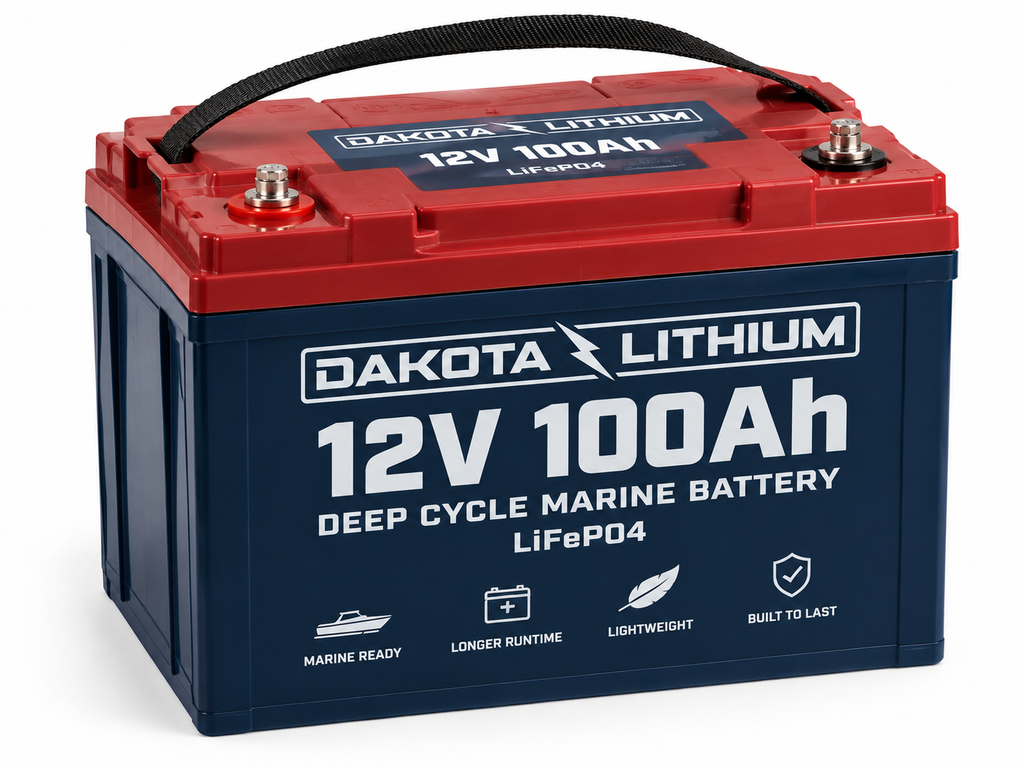
The Dakota Lithium 12V 100Ah is a deep-cycle LiFePO4 battery well suited for trolling motors and other onboard equipment that needs dependable power over long periods. Its combination of usable capacity, lighter weight, and long cycle life makes it an attractive alternative to traditional lead-acid deep-cycle batteries.
Why We Like It
It provides plenty of deep-cycle capacity for trolling motors while weighing considerably less than many traditional lead-acid batteries. Lithium chemistry also provides more consistent voltage during discharge, helping trolling motors maintain performance as the battery’s charge level drops.
Key Features
- 100Ah LiFePO4 deep-cycle capacity
- Designed for trolling motors and deep-cycle applications
- Lightweight compared with traditional lead-acid batteries
- Built-in battery management system (BMS)
- Maintains consistent voltage during discharge
- Designed for repeated charging and long cycle life
Potential Drawbacks
The upfront cost is higher than a traditional deep-cycle lead-acid battery, and you’ll need a charger that is compatible with LiFePO4 batteries. It is also primarily intended for deep-cycle use, so boaters should verify their engine manufacturer’s battery requirements before considering it for starting duties.
Best For
Anglers who use a trolling motor extensively and want a lightweight, long-lasting deep-cycle battery with dependable power throughout a day on the water.
3. Battle Born 12V 100Ah LiFePO4 — Best for Boat Electronics & House Power
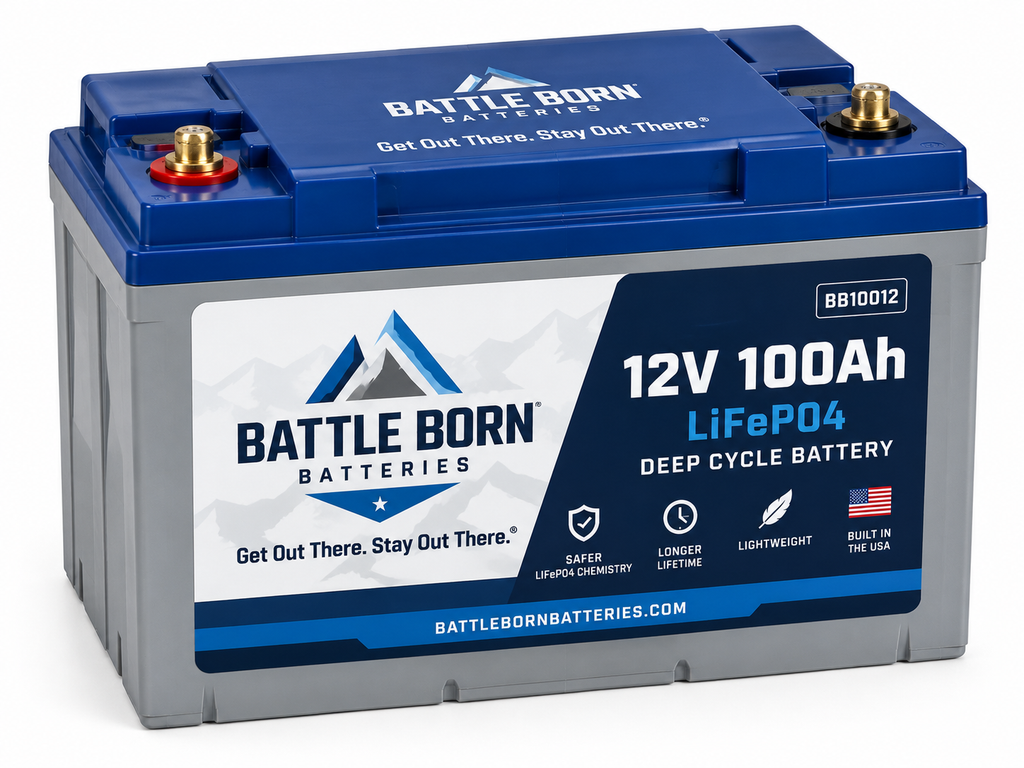
The Battle Born 12V 100Ah LiFePO4 is a deep-cycle lithium battery designed to provide dependable power for onboard electronics and other house loads. Its 100Ah capacity makes it a good option for running equipment such as fish finders, chartplotters, lighting, pumps, and other accessories without relying on your engine-starting battery.
Why We Like It
It provides a dedicated deep-cycle power source for marine electronics and accessories, helping keep those loads separate from the engine-starting battery. Its LiFePO4 chemistry also provides consistent voltage and allows more usable capacity than a traditional lead-acid battery of similar rated capacity.
Key Features
- 100Ah LiFePO4 deep-cycle capacity
- Designed for deep-cycle power applications
- Built-in battery management system (BMS)
- Consistent voltage throughout the discharge cycle
- Lightweight compared with many lead-acid batteries
- Suitable for powering marine electronics and onboard accessories
Potential Drawbacks
The higher purchase price is the main drawback compared with traditional lead-acid batteries. It is designed primarily for deep-cycle use rather than engine starting, and your boat’s charger and electrical system should be compatible with LiFePO4 batteries.
Best For
Boaters who want a dedicated lithium house battery for powering fish finders, chartplotters, lighting, pumps, and other onboard electronics without drawing power from the engine-starting battery.
4. Odyssey Marine AGM — Best Traditional AGM Option
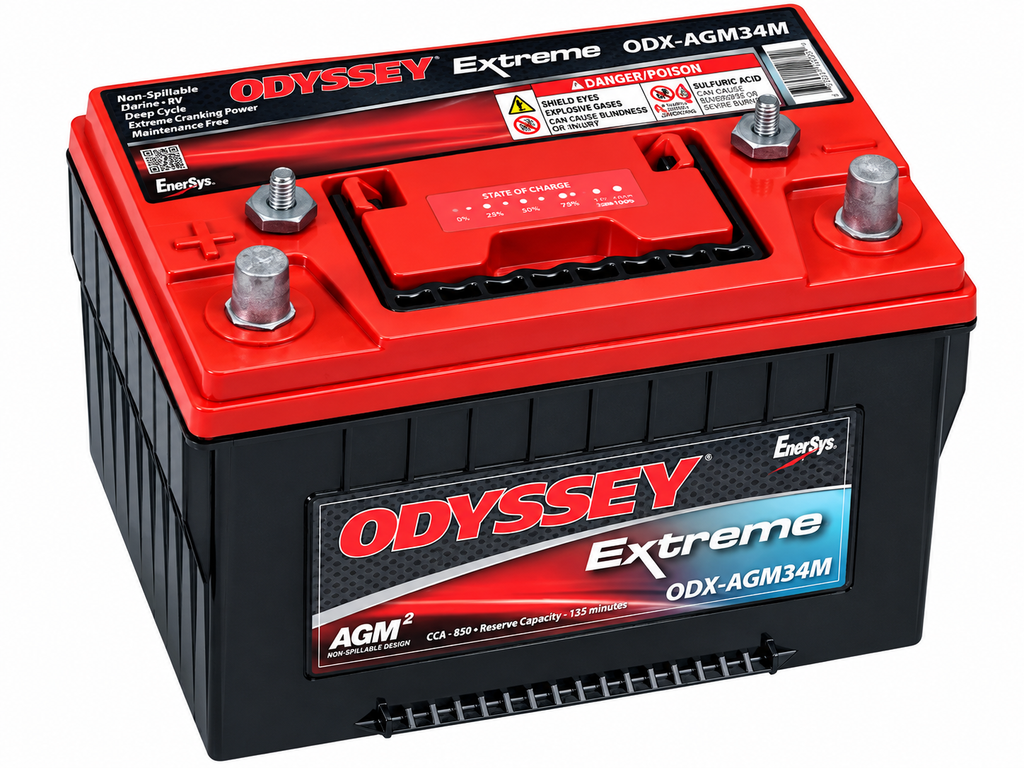
Odyssey Marine AGM batteries are a strong choice for boaters who prefer proven lead-acid technology rather than switching to lithium. Their sealed AGM design is maintenance-free and built to handle demanding marine environments while providing dependable starting power and deep-cycle capability, depending on the specific Odyssey model selected.
Why We Like It
AGM technology is well established for marine use and works with many conventional boat charging systems. Odyssey batteries are known for strong cranking performance, vibration resistance, and a sealed design that requires no routine water maintenance, making them a practical option for boaters who aren’t ready to move to lithium.
Key Features
- Sealed AGM lead-acid construction
- Maintenance-free design
- Strong cranking power for marine engines
- Good vibration and shock resistance
- Compatible with many conventional marine charging systems
- Available in multiple sizes and configurations for different boats
Potential Drawbacks
AGM batteries are heavier than comparable lithium batteries and generally provide less usable capacity for their rated size. They also typically have a shorter cycle life than LiFePO4 batteries, especially when regularly discharged deeply.
Best For
Boaters who want a dependable, maintenance-free AGM battery and prefer to stay with traditional lead-acid technology rather than converting their boat’s charging system to lithium.
How to Choose the Right Marine Battery
The best marine battery depends on what you need it to power. Engine-starting batteries are designed to deliver a large burst of power to start the motor, while deep-cycle batteries are designed to provide steady power over longer periods for trolling motors, electronics, lighting, and other accessories. Some dual-purpose batteries can handle both jobs, but always check your engine, trolling motor, charger, and electronics requirements before choosing a battery.
Starting vs. Deep-Cycle vs. Dual-Purpose Batteries
Starting batteries deliver a short burst of high current to crank an engine. Deep-cycle batteries are designed to provide steady power over longer periods and are commonly used for trolling motors and onboard electronics. Dual-purpose batteries combine characteristics of both and can be useful when space is limited or when a single battery needs to handle starting and accessory loads.
Lithium vs. AGM Marine Batteries
Lithium (LiFePO4) batteries are generally lighter, provide more usable capacity, maintain steadier voltage during discharge, and can offer a longer cycle life than traditional lead-acid batteries. AGM batteries typically cost less upfront, use proven lead-acid technology, and may work more easily with an existing marine charging system. The best choice depends on your budget, weight requirements, charging system, and how deeply and frequently you use the battery.
Battery Capacity and Amp-Hours (Ah)
Amp-hours (Ah) indicate how much energy a battery can store and help estimate how long it can power your equipment. Higher-capacity batteries can generally run trolling motors, fish finders, pumps, and other accessories longer, but your actual runtime depends on how much power your equipment draws. When choosing capacity, consider your total electrical load and how many hours you typically spend on the water.
Make Sure Your Charger Is Compatible
Before switching battery types, verify that your onboard charger, alternator, and other charging equipment are compatible with the battery you choose. Lithium batteries may require a LiFePO4-compatible charging profile, while AGM batteries have their own recommended charging requirements. Always follow the battery and equipment manufacturers’ specifications.
Frequently Asked Questions About Marine Batteries
What type of marine battery is best for a trolling motor?
A deep-cycle marine battery is generally the best choice for a trolling motor because it is designed to provide steady power over an extended period. LiFePO4 batteries are popular for trolling motors because of their lighter weight, usable capacity, and long cycle life, while AGM deep-cycle batteries remain a dependable traditional option.
How long do marine batteries typically last?
Battery lifespan varies depending on battery type, usage, charging habits, temperature, and how deeply it is discharged. Traditional lead-acid and AGM batteries generally have a shorter cycle life than LiFePO4 batteries. Proper charging, storage, and maintenance can significantly affect how long any marine battery lasts.
Can I replace an AGM marine battery with a lithium battery?
Often you can, but it should not be treated as a direct replacement without checking your system first. Verify that your onboard charger, alternator or charging system, battery wiring, and connected equipment are compatible with LiFePO4 batteries. If the battery will be used to start an engine, also confirm that the lithium battery meets the engine manufacturer’s starting-battery requirements.
What size marine battery do I need?
The right battery size depends on your engine, trolling motor, electronics, and other electrical loads. Check the equipment manufacturer’s requirements for voltage, amp-hour capacity, cold-cranking amps when applicable, and physical battery size. For trolling motors and house systems, also consider how long you want to operate your equipment between charges.
Final Thoughts
The best marine battery for your boat depends on how you use it and what you need to power. The Dakota Lithium DL+ 12V 135Ah offers a versatile combination of starting and deep-cycle capability, while dedicated deep-cycle lithium batteries can be excellent choices for trolling motors and onboard electronics. AGM batteries remain a practical option for boaters who prefer proven lead-acid technology. Before purchasing, always verify battery size, capacity, starting requirements, and charging-system compatibility with your boat and equipment.