Best GPS Trolling Motors for 2026: 4 Top Picks Compared
Looking for the best GPS trolling motors for 2026? Modern GPS-equipped trolling motors make it easier to hold your boat in position, navigate fishing spots, and maintain control in wind or current.
In this guide, we compare four GPS trolling motors from Garmin, Minn Kota, Lowrance, and MotorGuide. We’ll cover GPS anchoring, thrust, battery requirements, electronics compatibility, and the features that matter most when choosing the right trolling motor for your boat.
Affiliate Disclosure: Boat Gear Pilot may earn a commission from qualifying purchases made through links on this page, including Amazon and eBay, at no additional cost to you. As an Amazon Associate I earn from qualifying purchases.
Quick Picks
Best Overall: Garmin Force Kraken
Best for Minn Kota Technology: Minn Kota QUEST Ultrex
Best for Lowrance Electronics: Lowrance Ghost
Best Value GPS Trolling Motor: MotorGuide Xi5
Our four best GPS trolling motors for 2026 cover different boat sizes, fishing styles, electronics systems, and budgets.
Table of Contents
1. Garmin Force Kraken — Best Overall
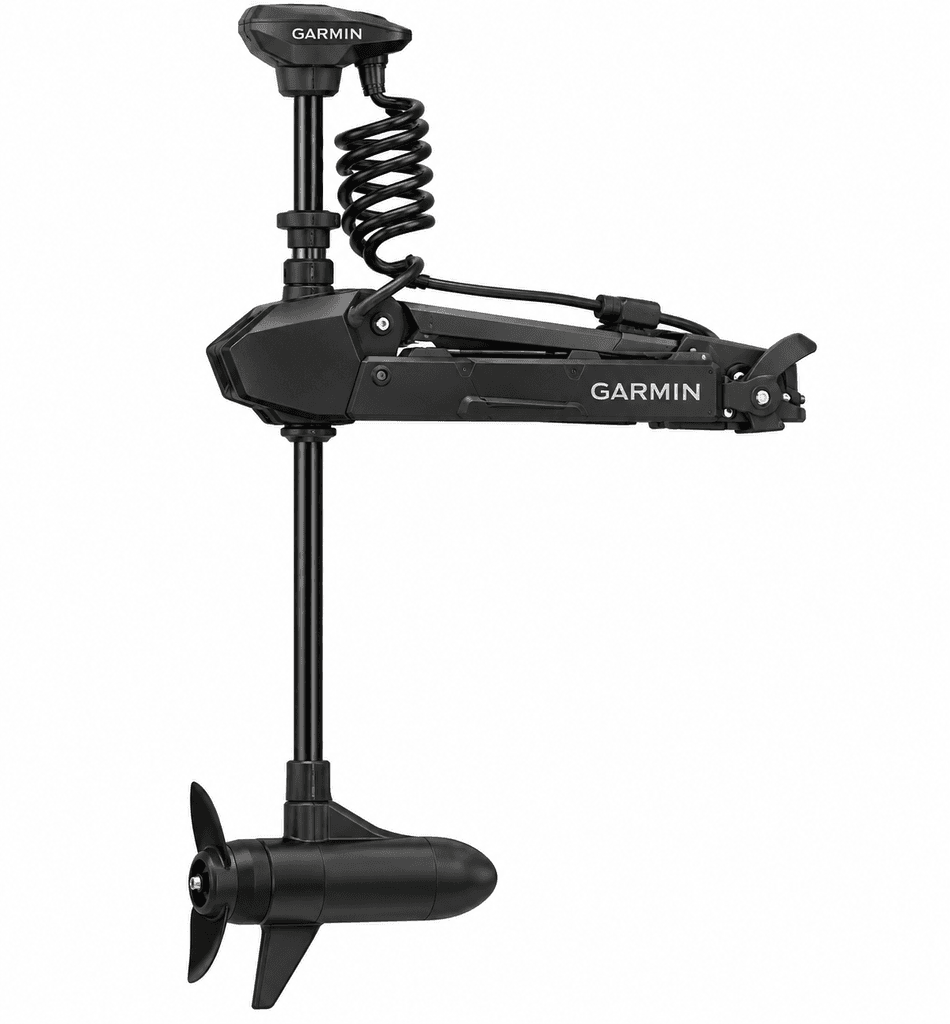
Garmin’s Force Kraken is designed for both freshwater and saltwater use, offers 24V/36V operation, and the current lineup includes shaft lengths up to 110 inches.
Why We Like It
The Garmin Force Kraken combines powerful thrust, precise GPS boat positioning, and wireless integration with compatible Garmin chartplotters. Its brushless motor is designed for quiet, efficient operation, while the pivot-style mount makes it a strong option for larger fishing boats where dependable boat control is important.
Key Features
- Brushless motor for quiet, efficient operation
- Built-in GPS for precise boat positioning
- Anchor lock to help hold the boat over a fishing spot
- Wireless remote control
- Integration with compatible Garmin chartplotters
- Designed for freshwater and saltwater use
- Available in multiple shaft lengths for different boat sizes
Potential Drawbacks
- Premium price compared with simpler trolling motors
- Requires a compatible 24V or 36V battery system
- Advanced features may be more than casual boaters need
- Proper shaft length and mounting configuration are important for your boat
Best For
Anglers and boat owners who want a premium GPS trolling motor with strong boat control, quiet operation, and integration with Garmin marine electronics.
2. Minn Kota QUEST Ultrex — Best for Minn Kota Technology
Why We Like It
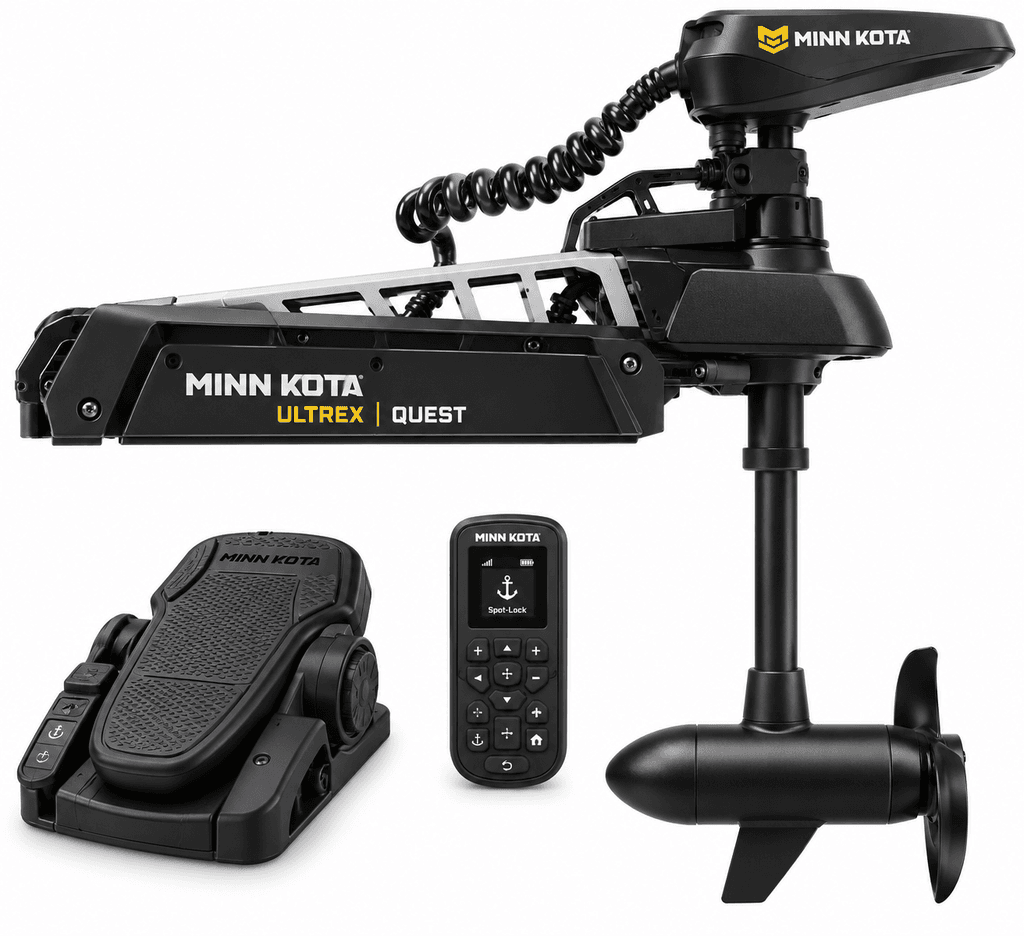
The Minn Kota Ultrex QUEST combines precise GPS boat control with the familiar feel of cable steering. Its brushless QUEST motor is designed for increased power and efficiency, while features such as Spot-Lock make it easier to hold your boat in position while fishing.
Key Features
- Brushless QUEST motor design
- GPS-powered Spot-Lock boat positioning
- Responsive cable-style foot pedal
- One-Boat Network integration with compatible Humminbird electronics
- Variable-speed control
- Designed for demanding freshwater fishing
- Available in multiple thrust and shaft-length configurations
Potential Drawbacks
- Premium price compared with basic trolling motors
- Primarily aimed at serious freshwater anglers
- Advanced electronics integration works best with compatible Humminbird equipment
- Proper voltage, shaft length, and mounting configuration must be selected for your boat
Best For
Freshwater anglers who want precise GPS boat control, responsive foot-pedal steering, and strong integration with Humminbird marine electronics.
3. Lowrance Ghost — Best for Lowrance Electronics
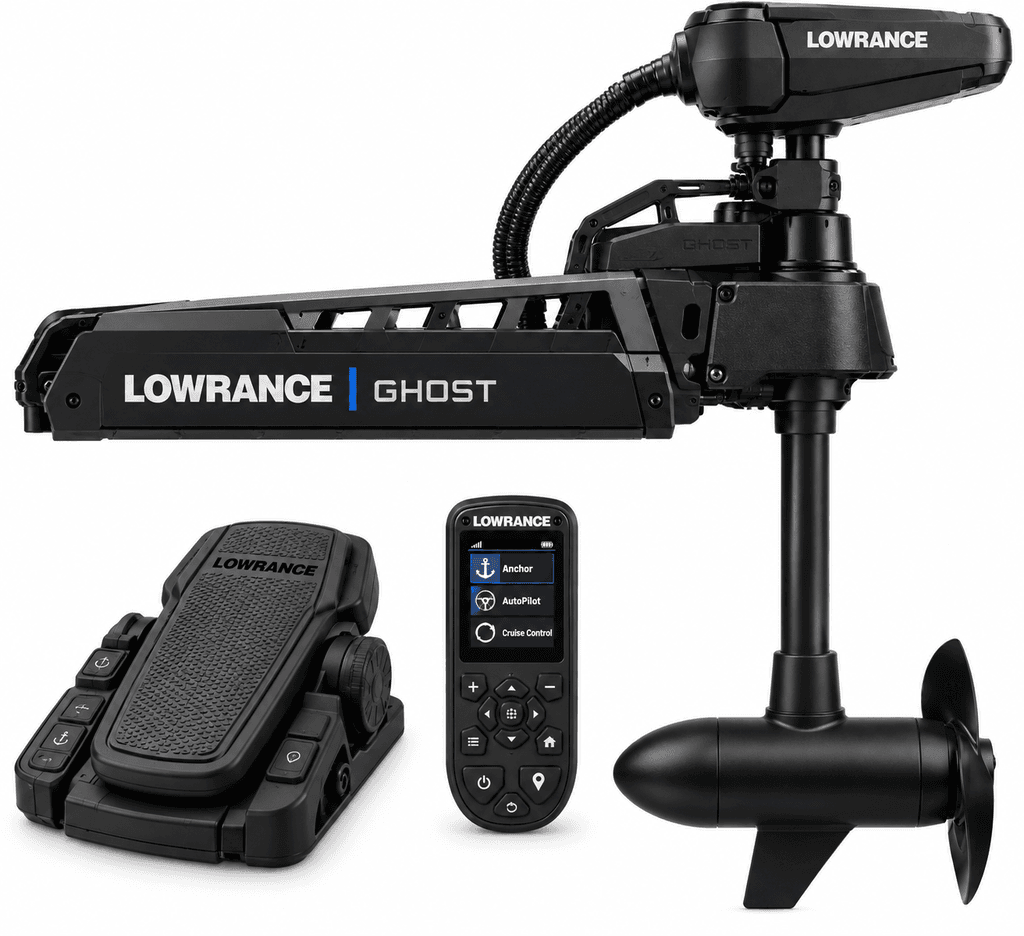
Why We Like It
The Lowrance Ghost combines a quiet brushless motor with precise GPS boat control and seamless integration with compatible Lowrance fish finders and chartplotters. It is designed for anglers who want responsive steering, strong performance, and trolling motor controls available directly through their Lowrance electronics.
Key Features
- Quiet brushless motor design
- Built-in GPS for precise boat positioning
- Anchor mode to help hold your fishing position
- Configurable foot pedal
- Integration with compatible Lowrance displays
- 24V or 36V operation
- Designed for freshwater fishing applications
Potential Drawbacks
- Premium price compared with basic trolling motors
- Best electronics integration is with compatible Lowrance equipment
- Primarily designed for freshwater use
- Requires selecting the correct voltage and shaft length for your boat
Best For
Freshwater anglers who already use Lowrance marine electronics and want a quiet, powerful trolling motor with integrated GPS boat control.
4. MotorGuide Xi5 — Best Value GPS Trolling Motor
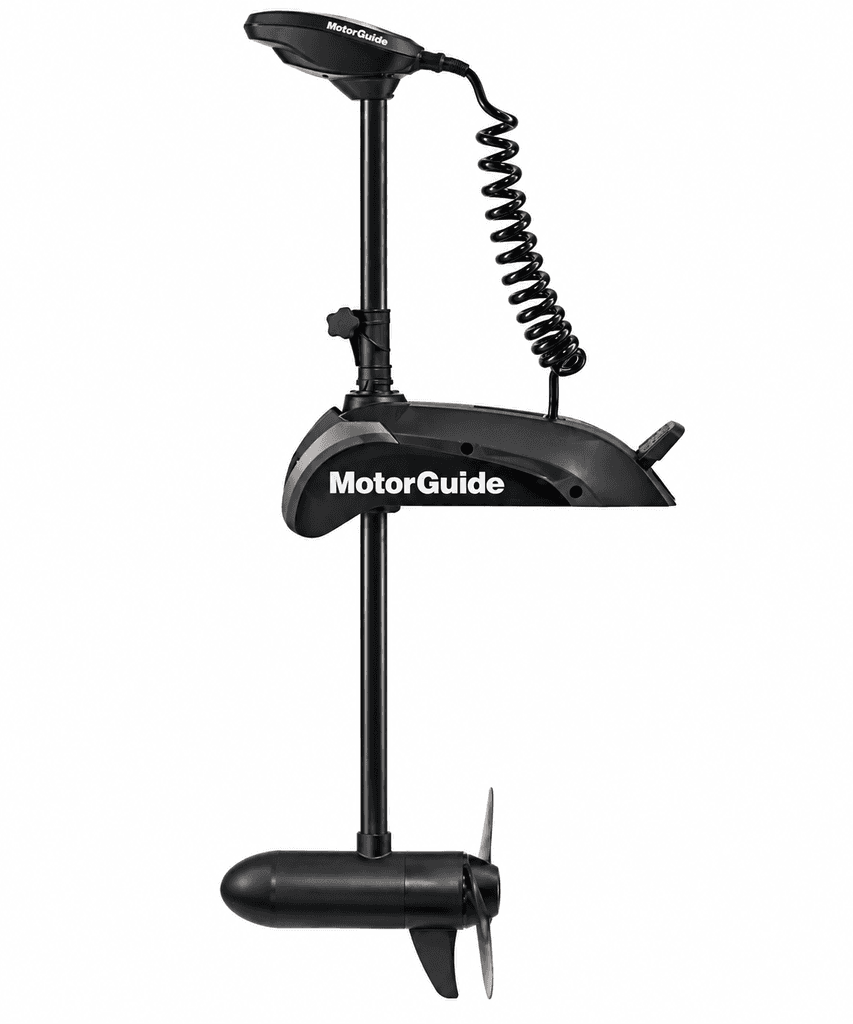
The MotorGuide Xi5 is a great choice for anglers who want GPS-controlled boat positioning without paying the premium price of some higher-end trolling motors. It offers wireless control, quiet operation, and GPS features that make it easier to hold your boat over fish or follow a productive route.
Why We Like the MotorGuide Xi5
The Xi5 delivers many of the GPS features anglers actually use most without pushing into the price range of premium trolling motors. Its Pinpoint GPS system can help hold your boat on a fishing spot, maintain a heading, and follow a recorded route. The wireless control also lets you operate the motor from anywhere on the boat, which is especially useful when fishing with multiple people.
Key Features
- Pinpoint GPS for precise boat positioning
- Anchor mode to hold your boat over a fishing spot
- Wireless control for operating the motor from anywhere onboard
- Quiet, responsive steering
- Available in multiple thrust and shaft-length configurations
- Suitable for freshwater and select saltwater applications depending on the model
Who It’s Best For
The MotorGuide Xi5 is best for anglers who want dependable GPS positioning and wireless control at a more affordable price. It’s especially appealing for freshwater fishing boats, bass boats, walleye boats, and anglers who want useful GPS features without stepping up to the most expensive trolling motors.
Pros & Cons
Pros
- Good value for a GPS trolling motor
- Pinpoint GPS provides useful boat-positioning features
- Convenient wireless control
- Quiet operation
- Multiple sizes and thrust options
Cons
- Fewer advanced features than some premium Garmin, Minn Kota, and Lowrance models
- Compatibility and features vary by Xi5 model
- Make sure you choose the correct freshwater or saltwater version for your boat
How to Choose the Best GPS Trolling Motor for Your Boat
Choosing the right trolling motor comes down to more than just buying the most powerful model. Your boat size, weight, fishing conditions, battery system, shaft length, and electronics all play a role. Getting these details right will give you better boat control, longer battery life, and more reliable performance on the water.
1. Choose the Right Thrust
Thrust determines how much force your trolling motor can use to move and control the boat. Heavier boats and boats regularly exposed to strong wind or current generally benefit from more thrust. It’s better to have some extra power available than to constantly run an undersized motor at maximum output.
For larger fishing boats, a 36V trolling motor is often worth considering because it can provide greater thrust and better performance in demanding conditions.
2. Get the Correct Shaft Length
Shaft length is especially important on boats with a high bow or when fishing rough water. The propeller needs to remain fully submerged as the boat rises and falls with waves. If the shaft is too short, the prop can come out of the water, reducing thrust and making boat control difficult.
Measure from the bow mounting surface down to the waterline, then use the trolling motor manufacturer’s recommended shaft length for that measurement. Larger offshore and deep-V boats often require longer shafts than bass boats or smaller freshwater boats.
3. Match the Motor to Your Battery System
Trolling motors are commonly available in 12V, 24V, and 36V configurations. Higher-voltage systems can provide more power and are generally better suited to larger boats and demanding conditions, but they also require additional battery capacity and space onboard.
Before buying, make sure your boat has room for the required batteries and that your charger, wiring, breakers, and connections are appropriate for the motor manufacturer’s specifications.
4. Consider GPS and Anchor-Lock Features
Modern GPS trolling motors can do much more than simply move your boat. Anchor lock uses GPS to automatically keep the boat near a selected position, which can be extremely useful when fishing structure, holding over fish, or dealing with wind and current.
Depending on the model, you may also get features such as route recording, heading control, autopilot, jog functions, and integration with your fish finder or chartplotter. If you already use Garmin, Humminbird, or Lowrance electronics, consider how well the trolling motor integrates with your existing system.
5. Freshwater vs. Saltwater
If you regularly fish in saltwater, choose a trolling motor specifically designed for saltwater use. Saltwater models use corrosion-resistant components and finishes that help protect the motor from the harsh marine environment.
Even with a saltwater-rated motor, it’s a good idea to rinse the motor with fresh water after saltwater use and follow the manufacturer’s maintenance recommendations. Freshwater-only motors may not have the same level of corrosion protection.
6. Consider Your Existing Electronics
Your existing marine electronics can help determine which trolling motor makes the most sense. Many premium trolling motors can communicate with compatible fish finders and chartplotters, allowing you to control the motor, navigate to waypoints, follow routes, or manage GPS positioning directly from your electronics.
If you already have a Garmin, Humminbird, or Lowrance system onboard, check compatibility before buying. If you’re considering Garmin electronics for your boat, check out our guide to the Garmin GPSMAP x3 Seriesfor a closer look at Garmin’s chartplotter options. Staying within the same electronics ecosystem can unlock additional features and make everything easier to operate from one system.
7. Don’t Forget Installation
A trolling motor is only as good as its installation. Before buying, make sure your bow has enough mounting space and that the motor can deploy and stow without interfering with rails, cleats, anchors, or other equipment.
Also consider the electrical side of the installation. Proper wire gauge, circuit protection, battery connections, and charging equipment are essential for safe and reliable operation. Always follow the trolling motor manufacturer’s installation requirements.
Final Thoughts on the Best GPS Trolling Motors
Choosing the best GPS trolling motors for your boat comes down to where you fish, the size of your boat, the conditions you regularly encounter, and the marine electronics you already use. Each of the four trolling motors in this guide offers a different combination of power, GPS control, integration, and value.
For anglers fishing larger boats or challenging water, prioritize adequate thrust, the correct shaft length, reliable GPS anchoring, and a battery system capable of supporting the motor. For smaller boats and calmer water, you may be able to save money without giving up the features you actually need.
Whichever model you choose, matching the trolling motor to your boat and fishing style is more important than simply buying the most expensive option.